Advanced Pilot Skills
UPRT Flying Academy Prague - Upset Prevention and Recovery Training
Course DetailsUPRT stands for airplane upset prevention and recovery training and constitutes a combination of theoretical knowledge and flying training with the aim of providing the flight crew with the required competencies to both prevent and recover from situations in which an airplane unintentionally exceeds the parameters for line operation or training (airplane upsets).
With the objective to introduce different ‘levels’ of UPRT at various stages of a professional pilot’s career, EASA has published its Opinion No 06/2017 and is currently revising the existing acceptable means of compliance (AMC) and guidance material (GM) published with regard to the provisions of Annex I (Part-FCL) to Regulation (EU) No 1178/2011 as follows.
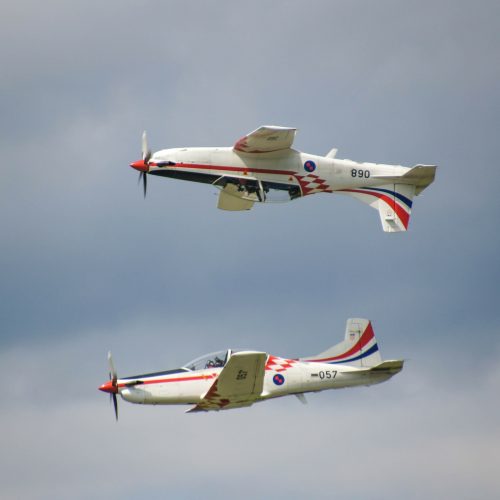
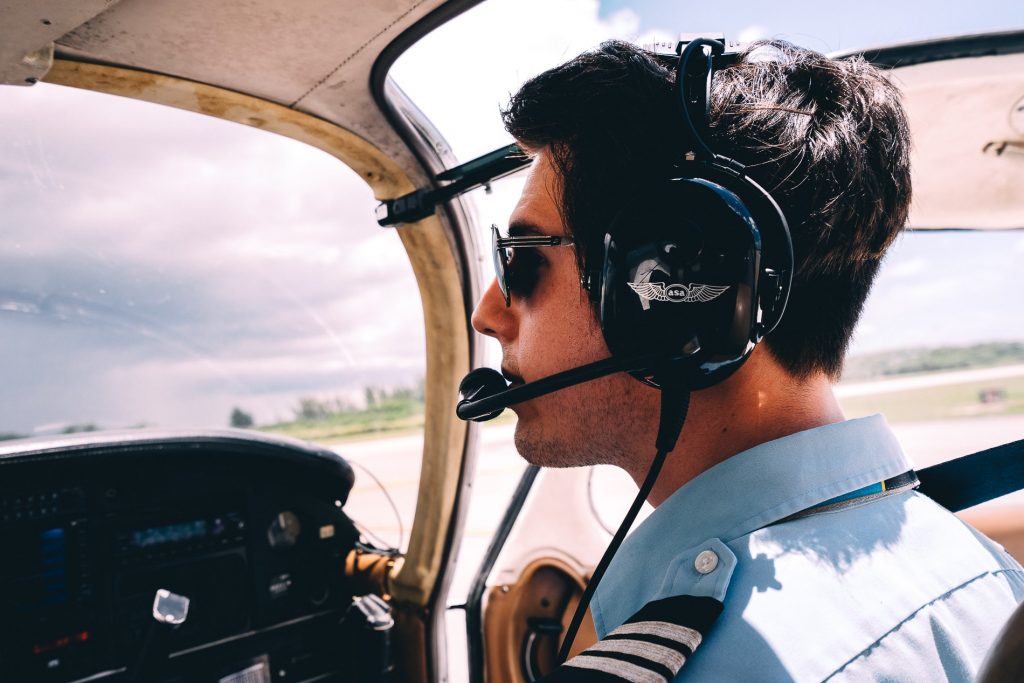
The aim of the Advanced Upset Prevention Recovery Training (UPRT) is to amplify knowledge and skills in upset prevention and especially upset recovery, with the final objective of exposing students and making them more resilient to psychological and physiological aspects, usually experienced with dynamic upset, which is difficult to be done in a simulator. A course completion certificate will be issued at the end of the course.
It will include at least 5 hours of theoretical instruction as well as at least 3 hours of dual flight instruction in an airplane, with the aim to enhance the student’s resilience to the psychological and physiological aspects associated with upset conditions.
Class- or type-related UPRT during class or type rating training will address the specificities of the relevant class or type of airplane.
If you have completed your training before the 20th of December, 2019, and plan to continue your pilot training with type rating qualification you need to undergo Advanced UPRT course under FCL.745.A.
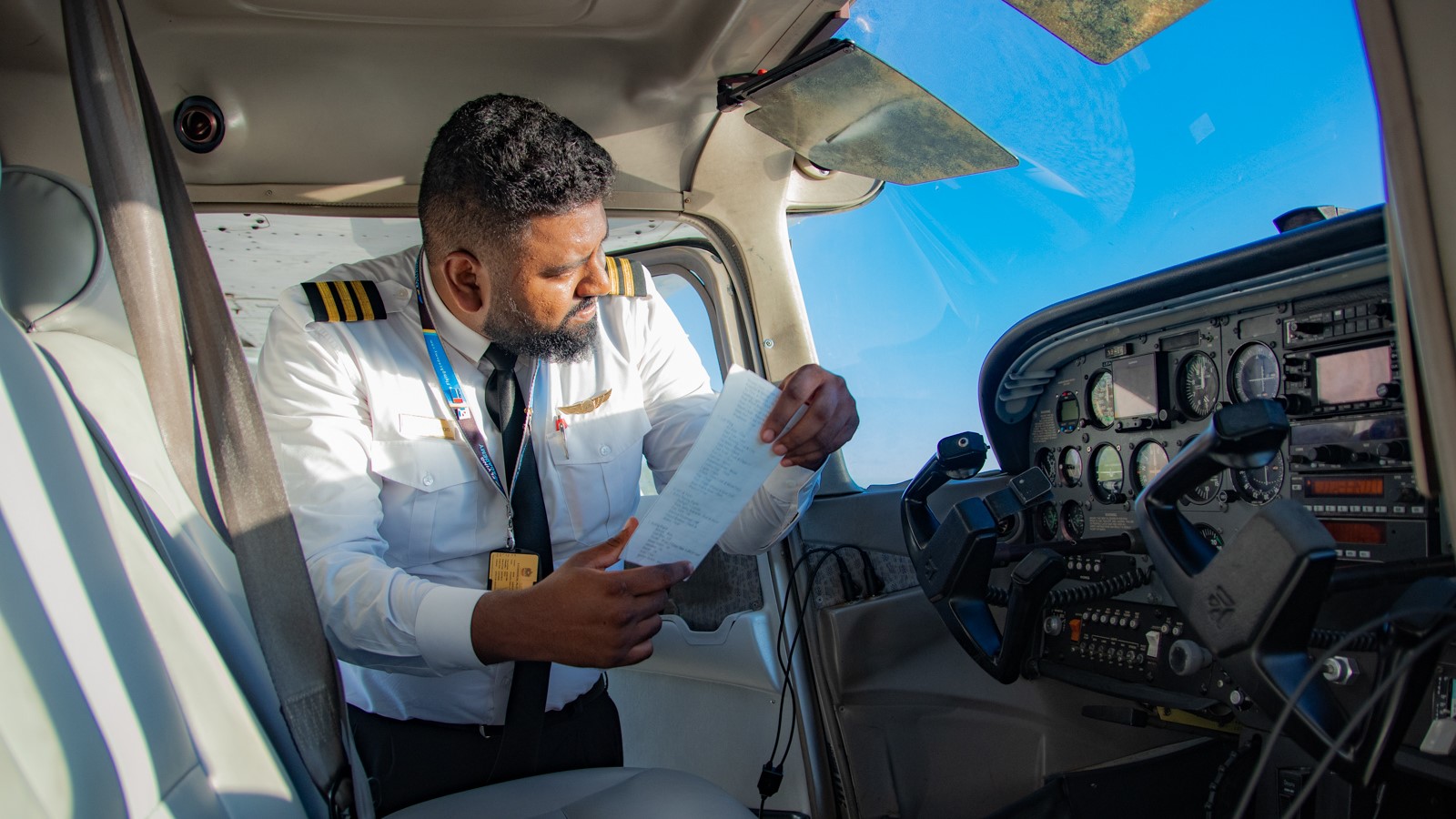
Flying Academy offers three methods of remote training for UPRT:
eLearning of all academic content through our LMS
Workshops to address the basic training needs for UPRT
Remote training through a high-bandwidth camera and data transfer system